As a veterinarian, one of the most common challenges I hear from pet parents is managing a high-energy dog. Breeds like Border Collies, Australian Shepherds, Labrador Retrievers, and Jack Russell Terriers are built for stamina, work, and endurance. For these dogs, a simple, leisurely walk around the block rarely cuts it. Without proper physical and mental outlets, under-exercised dogs often channel their excess energy into destructive behaviors like digging, excessive barking, or chewing on your favorite furniture.
Developing a structured fitness plan is one of the greatest gifts you can give your active dog. Not only does it keep their cardiovascular system strong and joints supple, but it also provides crucial mental stimulation. In this comprehensive guide, we will explore the best exercises for active dogs and outline a step-by-step approach to building a safe, sustainable routine that fits seamlessly into your lifestyle.
Understanding the Needs of High-Energy Dogs
Before diving into a new exercise regimen, it is vital to understand that physical exhaustion should not be your only goal. True fatigue in dogs is a balance of physical exertion and mental weariness. If you only focus on physical exercise, you may inadvertently build an elite canine athlete with the stamina to run for hours without ever feeling fully settled.
Different breeds have different biological drives:
- •Herding Breeds (e.g., Border Collies, Shelties): Thrived on focus, direction changes, and close communication with their handler.
- •Sporting and Gundogs (e.g., Labradors, Pointers): Excel at retrieving, swimming, and scent tracking over long distances.
- •Working Breeds (e.g., Siberian Huskies, Boxers): Love pulling, carrying weight, and tasks that require structural strength.
- •Terriers (e.g., Jack Russells, Staffordshires): Driven by high-speed chases, digging, and quick bursts of agility.
Tailoring your exercise choices to your dog's breed heritage will make workouts significantly more satisfying for them.
Best Exercises for Active Dogs
To keep your dog engaged, it is best to mix high-intensity activities with structured brain games. Here are the top exercises recommended by veterinary sports medicine specialists:
1. High-Intensity Interval Fetch
Standard fetch can sometimes be hard on a dog's joints due to sudden stops and tight turns. To make it safer and more physically rewarding, turn it into an interval workout. Teach your dog a "wait" command before throwing the ball. Once the ball lands, release them to run. This incorporates impulse control (mental workout) with explosive sprint intervals (physical workout).
2. Agility Training and Obstacle Courses
Agility is the ultimate sport for active dogs. Navigating weave poles, tunnels, A-frames, and jumps requires immense coordination, flexibility, and focus. You do not need professional equipment to start; you can set up a DIY course in your backyard using cones, hula hoops, and low PVC pipes.
3. Canicross and Trail Running
Canicross is the sport of hands-free cross-country running with your dog. Using a specially designed waist belt and a bungee leash attached to your dog's harness, you run as a team. Running on natural dirt trails is significantly easier on your dog's joints than running on hard concrete pavements.
4. Interactive Mental Games (Flirt Poles and Scent Work)
A flirt pole is essentially a giant cat wand for dogs—a long pole with a rope and a lure attached to the end. It allows your dog to safely practice their natural predatory chase drive in a controlled space. Additionally, incorporating scent work (hiding treats or toys around the yard) burns massive amounts of mental energy. Ten minutes of intensive sniffing can tire a dog out as much as a thirty-minute run!

How to Build a Safe and Consistent Exercise Routine
Building a fitness routine requires a structured approach to prevent injury and ensure long-term consistency. Just like humans, dogs cannot transition from couch potatoes to marathon runners overnight.
Step 1: Schedule a Veterinary Wellness Exam
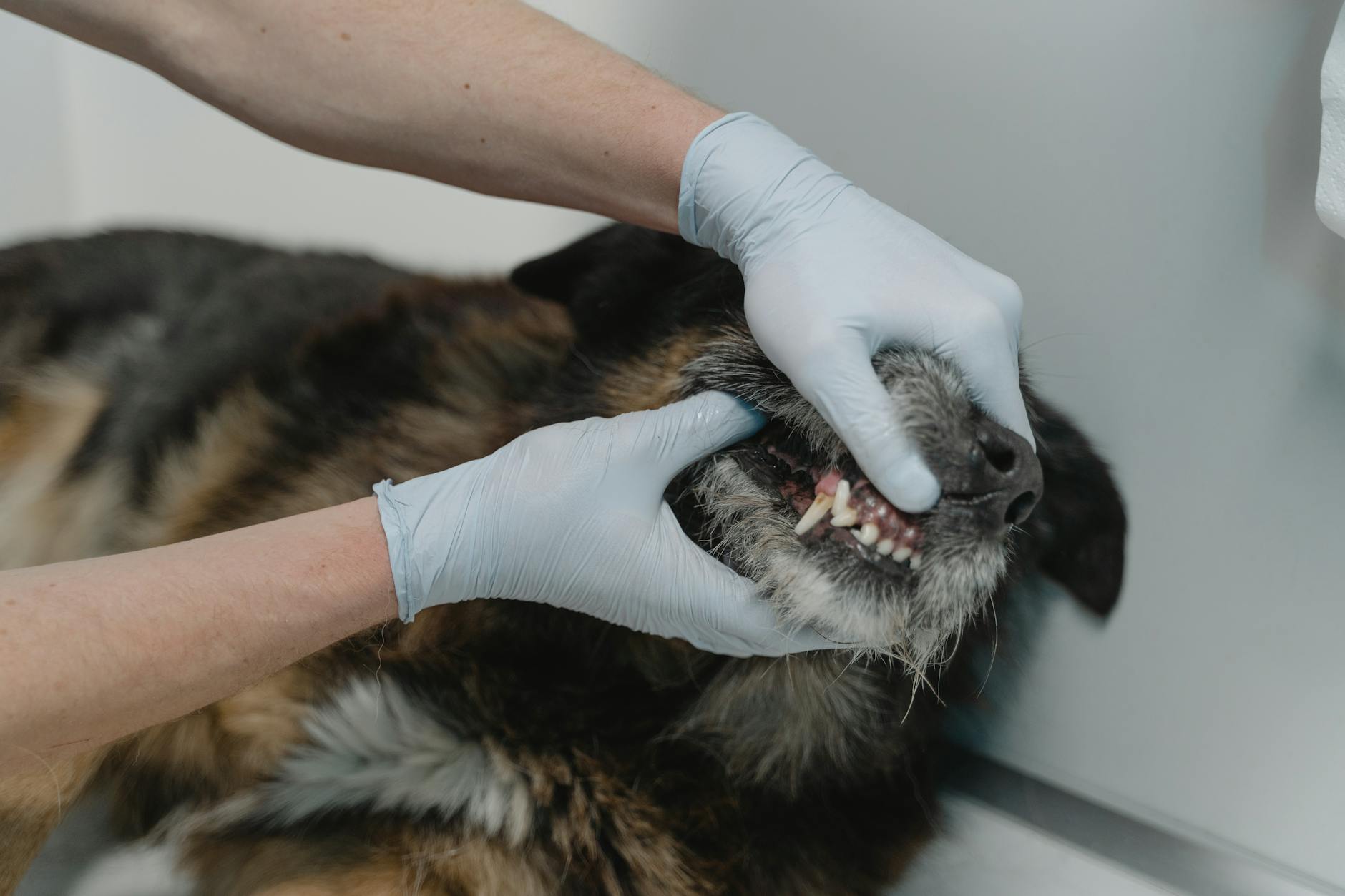
Before starting any high-impact exercise routine, have your dog evaluated by a veterinarian. We will check your dog's heart, lungs, and joint mobility to ensure they do not have underlying conditions like hip dysplasia, arthritis, or early-stage cardiovascular issues that could make intense exercise dangerous.
Step 2: Incorporate Warm-Ups and Cool-Downs
Never launch your dog directly into a sprint. Start every session with a 5-to-10-minute warm-up consisting of a brisk walk and gentle stretching. After the high-intensity portion of the workout, spend another 5 to 10 minutes walking slowly to allow your dog's heart rate and internal body temperature to return to normal.
Step 3: Gradually Increase Intensity
Follow the "10% Rule." Increase the duration or intensity of your dog's workouts by no more than 10% each week. If your dog is comfortably running for 20 minutes this week, aim for 22 minutes next week. This gradual progression allows their muscles, tendons, and ligaments time to adapt and strengthen.
Step 4: Mix Mental and Physical Challenges
A balanced weekly routine should include a mix of aerobic exercise, strength-building, and mental stimulation. Here is an example of a balanced weekly schedule for a healthy, adult active dog:
- •Monday: 45-minute trail run (aerobic)
- •Tuesday: 20-minute flirt pole session + 15 minutes of scent work (strength & mental)
- •Wednesday: Rest day (short, leisurely sniff walks only)
- •Thursday: DIY backyard agility or obedience training (coordination & mental)
- •Friday: 30-minute fetch session with impulse control training (intervals)
- •Saturday: Long hike or swim (endurance)
- •Sunday: Rest day

Safety Tips for High-Impact Canine Sports
When exercising an active dog, safety should always be your top priority. Keep these critical safety guidelines in mind:
- •Beware of the Growth Plates: Avoid high-impact jumping or intense distance running with puppies. A dog's growth plates do not fully close until they are between 12 and 18 months old (depending on the breed). High-impact exercise before this age can cause permanent skeletal damage.
- •Prevent Heat Stroke: Dogs do not sweat efficiently like humans; they rely primarily on panting to cool down. Avoid exercising during the hottest parts of the day. Always carry fresh water, and learn to recognize the signs of heat exhaustion: heavy panting, dark red or purple gums, thick saliva, and lethargy.
- •Protect the Paw Pads: Hot asphalt can easily blister your dog's paws. If the pavement is too hot for you to comfortably hold the back of your hand against it for seven seconds, it is too hot for your dog's paws. Consider using protective dog booties or applying a moisturizing paw wax for rough terrain.
- •Watch for Signs of Fatigue: Dogs are incredibly loyal and will often push themselves past their physical limits just to please you. If your dog starts lagging behind, panting excessively, or showing signs of stiffness, stop the workout immediately.
Conclusion
Exercising your active dog is one of the most rewarding aspects of pet ownership. By combining physical exertion with mental stimulation and following a structured, gradual routine, you can keep your high-energy companion physically fit and mentally balanced. Always listen to your dog's body language, prioritize safety, and consult your veterinarian to ensure your routine matches your dog's unique physical needs. Happy training!