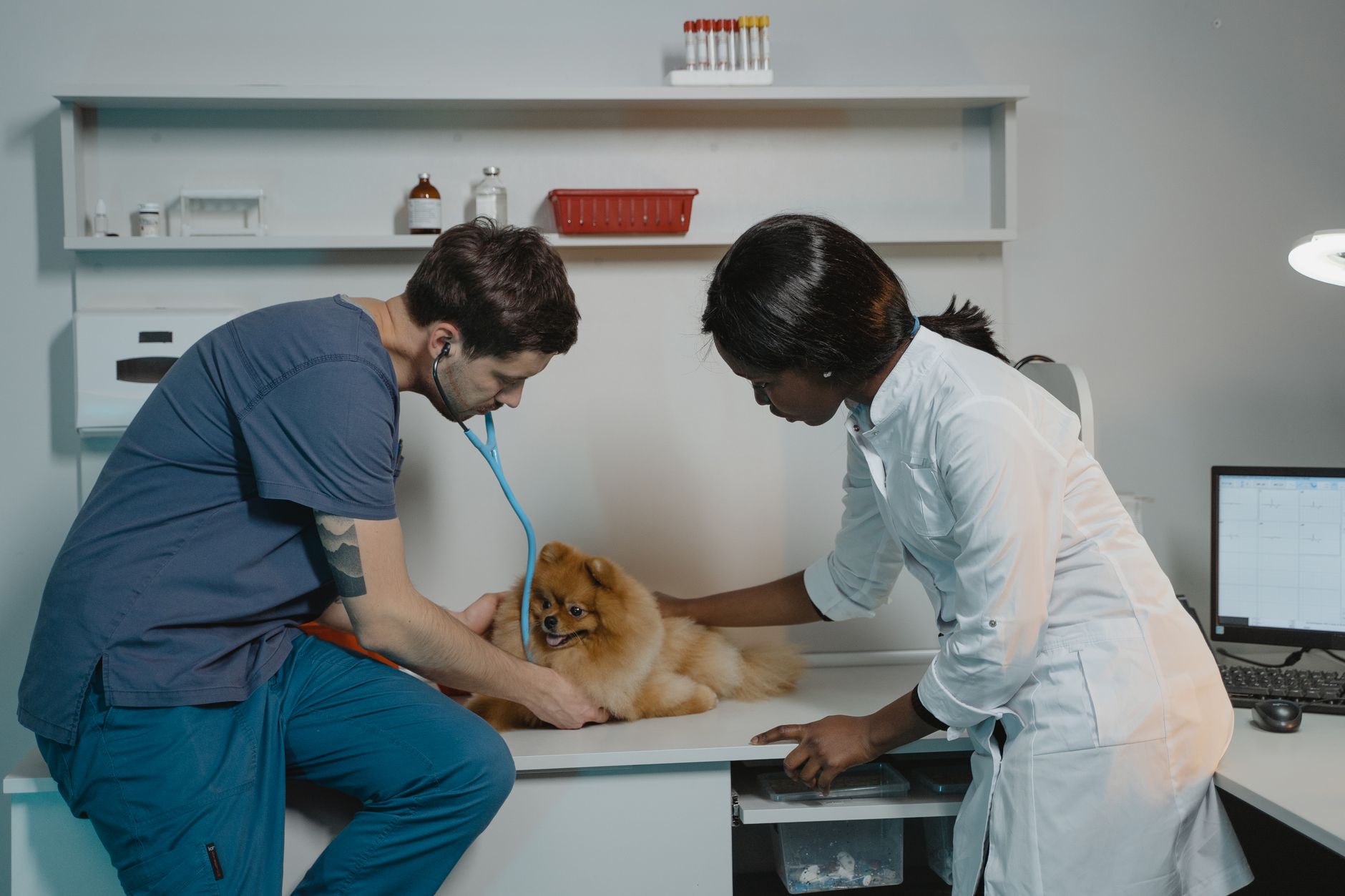
As a veterinarian, one of the most common concerns I hear from loving pet owners is about their furry companions experiencing stress and separation anxiety. It's heartbreaking to see your pet distressed, whether they're pacing, barking, or engaging in destructive behaviors when you're gone. The good news is that with understanding, patience, and the right strategies, you can significantly help your pet manage these challenges and live a happier, more peaceful life.
This comprehensive guide will equip you with the knowledge and practical tools to identify, prevent, and treat pet stress and separation anxiety, helping you foster a stronger, more secure bond with your beloved animal.
Understanding Pet Stress & Separation Anxiety
Before we dive into solutions, it's crucial to understand what pet stress and separation anxiety truly are, and how they manifest.
What is Pet Stress?
Pet stress, much like human stress, is a physiological and psychological response to perceived threats or challenging situations. It can be triggered by a wide range of factors, including loud noises (thunderstorms, fireworks), changes in routine, new environments, the introduction of new pets or people, illness, or even boredom and lack of stimulation. A stressed pet may exhibit subtle or overt signs of discomfort, fear, or anxiety.
What is Separation Anxiety?
Separation anxiety is a specific type of stress response that occurs when a pet, typically a dog, is left alone. It's not simply boredom or misbehavior; it's a genuine panic response rooted in the pet's deep attachment to their primary caregiver. Pets with separation anxiety often believe they are being abandoned and experience intense distress when separated from their human family members. This condition is particularly prevalent in rescued pets or those who have experienced multiple homes, but it can affect any pet.
Common Symptoms to Watch For
Recognizing the signs early is key to effective management. Symptoms can vary in intensity and type, but here are some common indicators of stress or separation anxiety:
* Excessive Vocalization: Constant barking, howling, whining, or meowing when left alone or in stressful situations.
* Destructive Chewing: Chewing on furniture, doors, window sills, or personal items, often focused around exit points.
* Inappropriate Urination/Defecation: House-trained pets may have accidents indoors, even shortly after being outside.
* Pacing or Restlessness: Constant movement, inability to settle, often accompanied by panting.
* Excessive Drooling: More than usual, especially when anticipating departure or during a stressful event.
* Escaping Behavior: Trying to dig under fences, chew through crates, or break out of rooms.
* Changes in Appetite: Refusing to eat or, conversely, stress-eating.
* Withdrawal or Hiding: Seeking solitude, avoiding interaction, or hiding under furniture.
* Excessive Licking/Grooming: Licking paws or other body parts to self-soothe, sometimes leading to hot spots.
* Trembling or Shaking: Especially noticeable during thunderstorms or when left alone.
* Hyper-attachment: Following you from room to room, becoming agitated when you prepare to leave.

Proactive Strategies to Prevent & Reduce Anxiety
Prevention is always better than cure. By implementing these strategies consistently, you can create an environment that fosters security and reduces the likelihood of stress and anxiety developing.
Establishing a Predictable Routine
Pets thrive on routine. A consistent schedule for feeding, walks, playtime, and sleep helps them understand what to expect, reducing uncertainty and anxiety. Try to keep your pet's day as predictable as possible, even on weekends. For instance, if walks always happen at 7 AM and 5 PM, your pet learns to anticipate these events, which can be very calming.
The Power of Enrichment & Exercise
A tired pet is often a happy pet. Ensure your pet gets adequate physical exercise and mental stimulation daily. This helps to burn off excess energy and reduces boredom, which can often be a precursor to destructive behavior and anxiety.
* Dogs: Daily walks, runs, fetch, puzzle toys, obedience training, and doggy daycare can be incredibly beneficial. Aim for at least 30-60 minutes of vigorous exercise for most breeds.
* Cats: Interactive play with wand toys, laser pointers, climbing structures, puzzle feeders, and even clicker training can keep their minds and bodies engaged.
Desensitization & Counter-Conditioning
These are powerful training techniques. Desensitization involves gradually exposing your pet to the trigger at a low intensity, while counter-conditioning changes their emotional response to that trigger from negative to positive. For example, if your pet fears car rides, start by simply sitting in the parked car with them, giving treats. Slowly progress to starting the engine, short trips, always associating the car with positive experiences.
Crate Training Done Right
When introduced correctly, a crate can become a safe, den-like sanctuary for your pet, not a punishment. It's a place where they feel secure and can relax. Never use the crate as a penalty. Introduce it gradually with positive reinforcement (treats, toys, comfy bedding). A well-crate-trained pet can feel more secure when you're away, knowing they have their own safe space.
Ready to take your pet's health to the next level? Download PetLover Health Passport — track vaccinations, vet visits, medications, and share with your whole family. Available on iOS and Android.

Managing Separation Anxiety When You're Away
Dealing with separation anxiety requires a multi-faceted approach, focusing on helping your pet cope when you're not physically present.
The Art of the "Calm Departure"
Many pet owners inadvertently heighten their pet's anxiety with lengthy, emotional goodbyes. Instead, make your departures and arrivals low-key. Avoid making a big fuss when you leave or return. Five to ten minutes before you leave, ignore your pet. When you return, wait until they are calm before greeting them. This teaches them that your coming and going is not a big event to be anxious about.
Creating a Safe Space
Designate a specific area for your pet where they feel secure and comfortable when you're away. This could be their crate, a bed in a quiet room, or a specific corner with their favorite blanket and toys. Ensure this space is free from potential hazards and has familiar scents.
Calming Aids & Tools
Several products can help soothe anxious pets. These should always be used in conjunction with behavioral modification, not as standalone solutions.
* Pheromones: Dog Appeasing Pheromone (DAP) collars, diffusers, or sprays (like Adaptil) mimic the natural calming pheromones mother dogs release. Feliway is a similar product for cats.
* Supplements: Natural supplements containing ingredients like L-theanine, L-tryptophan, or alpha-casozepine can help promote relaxation. Always consult your vet before starting any supplements.
* ThunderShirts/Anxiety Wraps: These garments apply gentle, constant pressure, similar to swaddling a baby, which can have a calming effect on some pets.
* Calming Music/TV: Leaving on classical music, talk radio, or a pet-specific TV channel can provide comforting background noise and mask external triggers.
* Interactive Toys: Provide food-dispensing puzzle toys or long-lasting chews (like Kongs stuffed with peanut butter or treats) to keep your pet occupied and mentally stimulated while you're gone. This distracts them from your absence.
Professional Help: When to Seek a Vet or Trainer
If your pet's anxiety is severe, persistent, or causes significant distress or destruction, it's crucial to seek professional help. Your veterinarian can rule out underlying medical conditions, discuss prescription medications (such as anti-anxiety drugs) if appropriate, and refer you to a certified professional dog trainer or a veterinary behaviorist. These experts can develop a tailored behavior modification plan specific to your pet's needs.

Long-Term Well-being: A Holistic Approach
Managing pet stress and separation anxiety is an ongoing journey that benefits from a holistic perspective.
Nutrition's Role
Believe it or not, diet can play a role in your pet's overall well-being. Some premium pet foods are formulated with ingredients that support cognitive function and a calm demeanor. Ensure your pet is on a high-quality, balanced diet appropriate for their age, breed, and activity level. Discuss specific dietary needs or calming food options with your vet.
Regular Vet Check-ups
Annual or biannual veterinary check-ups are vital. Stress and anxiety can sometimes be symptoms of an underlying medical issue, such as pain, thyroid problems, or cognitive dysfunction. Your vet can identify and address these issues, ensuring your pet's physical health is optimized, which directly impacts their mental well-being.
Consistency is Key
Whatever strategies you implement, consistency is paramount. Behavioral changes take time and patience. Stick to your routines, continue with training, and consistently apply calming techniques. Every family member should be on the same page regarding your pet's care and training protocols.
Conclusion
Helping your pet overcome stress and separation anxiety is a testament to your love and commitment. It requires understanding their unique needs, implementing consistent routines, providing ample enrichment, and sometimes, seeking professional guidance. By creating a secure, predictable, and loving environment, you can significantly reduce your pet's anxiety, allowing them to thrive and enjoy a life filled with peace and happiness. Remember, you're not alone in this journey, and with patience and persistence, you can help your furry friend feel safe and loved, even when you're apart.