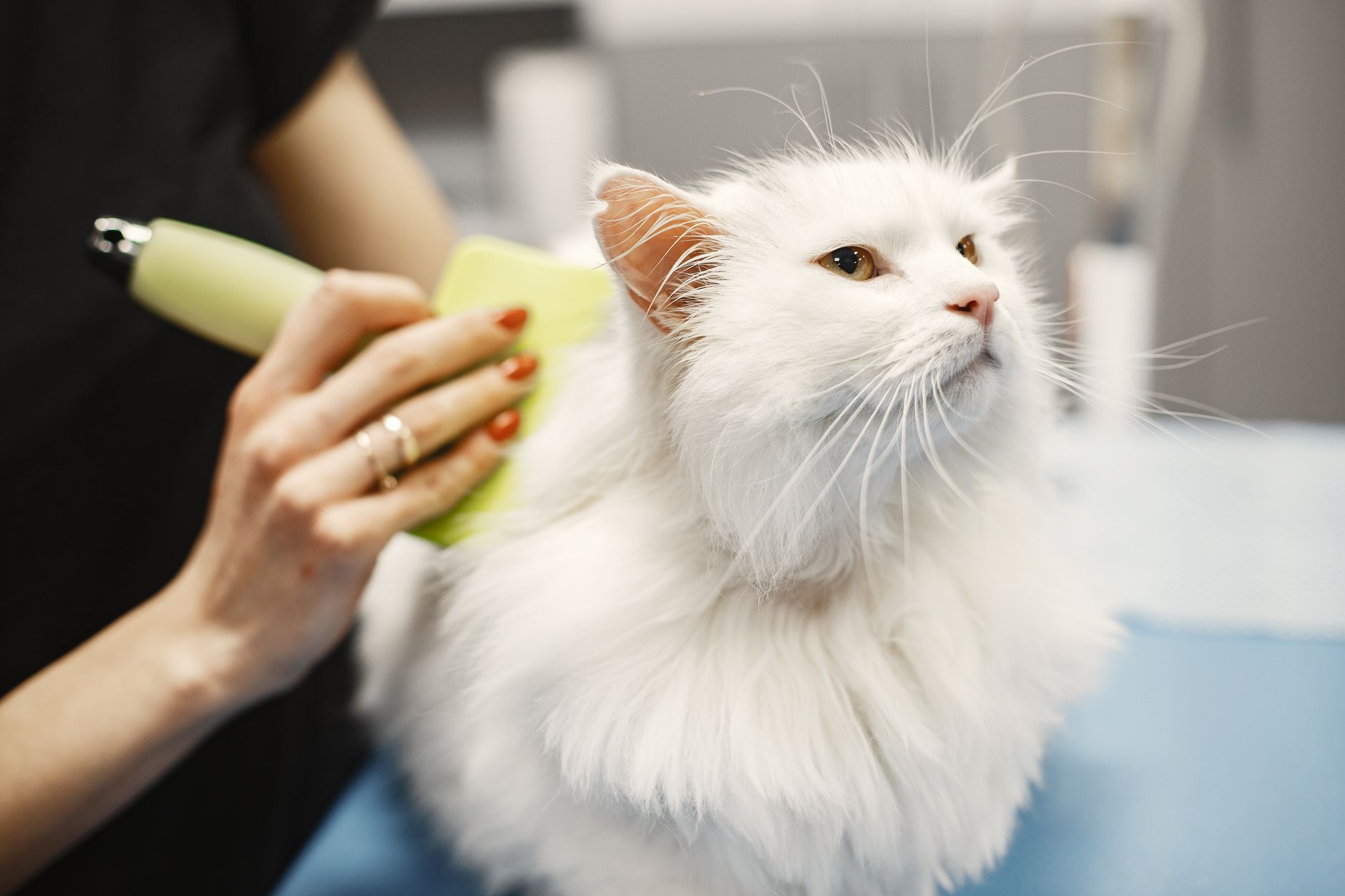
As a devoted cat parent, you know that your feline friend is a meticulously clean creature. Cats spend a significant portion of their day self-grooming, keeping their coats surprisingly pristine. However, even the most fastidious felines benefit immensely from a little human assistance in their grooming routine. Regular home grooming isn't just about keeping your cat looking sharp; it's a vital part of their overall health, hygiene, and even strengthens the bond you share. This comprehensive guide will walk you through everything you need to know about grooming your cat's fur, nails, and ears right in the comfort of your home, transforming it into a positive experience for both of you.## The Importance of Regular Cat GroomingWhile cats are expert self-groomers, they can't always reach every spot, nor can they prevent all potential issues. Consistent home grooming offers a multitude of benefits that contribute to your cat's well-being and can save you from bigger problems down the line.### Bonding and Health ChecksGrooming sessions provide an invaluable opportunity for bonding. Gentle brushing, petting, and handling can deepen your connection with your cat, building trust and comfort. Beyond the emotional benefits, grooming is a perfect chance to perform mini health checks. As you groom, you can feel for any unusual lumps, bumps, or tender spots; check for parasites like fleas or ticks; inspect their skin for redness, irritation, or dry patches; and notice any changes in their coat quality. Early detection of any of these issues can lead to quicker treatment and better outcomes.Regular grooming also helps prevent several common feline health problems, including:<ul><li>Hairballs: Brushing removes loose fur, drastically reducing the amount your cat ingests, thus minimizing hairball formation and associated digestive upset.</li><li>Matting: Especially for long-haired breeds, regular brushing prevents painful mats and tangles that can pull on the skin, cause discomfort, and even lead to skin infections.</li><li>Skin Issues: Brushing distributes natural skin oils, promoting a healthy coat and skin, and can help identify dermatological problems early.</li><li>Overgrown Nails: Keeping nails trimmed prevents them from snagging on carpets, growing into paw pads (which is very painful), and helps protect your furniture.</li><li>Ear Infections: Regular inspection and gentle cleaning can prevent wax buildup and detect signs of ear mites or infections before they become severe.</li></ul>## Fur Care: Keeping Your Cat's Coat PristineYour cat's coat is a reflection of their health. A shiny, soft coat is a happy coat! Regular brushing is the cornerstone of good fur care.### Brushing Basics: Tools and TechniquesThe right tools make all the difference. Invest in good quality grooming tools suitable for your cat's coat type:<ul><li>Slicker Brush: Excellent for removing loose fur and detangling superficial mats. It has fine, short wires packed closely together.</li><li>De-shedding Tool (e.g., FURminator): Highly effective for removing undercoat and reducing shedding, especially for cats with dense fur. Use sparingly to avoid irritating the skin.</li><li>Rubber Curry Brush (Grooming Mitt): Gentle and great for short-haired cats, stimulating circulation and collecting loose fur. Many cats enjoy the massage-like feel.</li><li>Fine-toothed Comb: Useful for checking for fleas and working out smaller tangles, particularly around sensitive areas.</li></ul>Technique: Start with short, gentle sessions, especially if your cat is new to brushing. Always brush in the direction of fur growth. Pay attention to areas prone to matting, such as under the chin, behind the ears, armpits, and the belly. Use a calm, reassuring voice, and stop if your cat shows signs of discomfort or aggression. The goal is a positive experience.### Dealing with Mats and TanglesPrevention is key! Daily brushing for long-haired cats and several times a week for short-haired cats will prevent most mats. If you do encounter a small mat:<ul><li>Gentle Teasing: Use your fingers to gently pull the mat apart, working from the outside in.</li><li>Wide-toothed Comb: Once loosened, try to comb through it with a wide-toothed comb.</li><li>Extreme Caution with Scissors: For very tight, stubborn mats close to the skin, never try to cut them out with regular scissors, as it's incredibly easy to cut your cat's skin. If you must, use blunt-tipped grooming scissors and always place a comb between the mat and the skin as a guard. For severe matting, it's always best to seek professional groomer or vet assistance.</li></ul>### The Occasional Bath: When and HowMost cats rarely need a bath, as their self-grooming keeps them clean. However, there are times when a bath is necessary: if they've gotten into something toxic or sticky, have fleas, or a vet recommends it for a skin condition.
Home Cat Grooming: Fur, Nails & Ears for a Healthy Feline
PetLover TeamJuly 6, 2026
Master the art of home cat grooming with our expert guide. Learn essential techniques for fur, nails, and ears to keep your feline friend healthy, happy, and looking their best, all from the comfort of your home.
Share this article
PetLover Health Passport
Free · iOS & Android
Your Pet's AI Health Companion
AI assistant, vaccine tracker, vet history & family sharing — everything your pet needs, in one free app.
Download on the
App Store
Get it on
Google Play
Free to download
Related Articles

Keep Cats Entertained: Indoor Stimulation for Happy Felines
July 17, 2026
Recognizing Dog Pain & Illness: A Vet's Guide to Early Detection
July 6, 2026

Smooth Introductions: Welcoming a New Pet to Your Family & Existing Pets
July 3, 2026
Feline Diabetes: Symptoms, Treatment, & Daily Management Guide
June 29, 2026