# Keep Indoor Cats Happy: Essential Stimulation & Entertainment
As a veterinarian and passionate advocate for feline welfare, I often speak with cat owners who are dedicated to providing the best possible life for their beloved companions. For indoor cats, this commitment extends beyond just food and shelter; it's about creating an enriching environment that caters to their natural instincts and keeps them mentally and physically stimulated. While the safety of indoor living is undeniable, it can sometimes lead to boredom, lethargy, and even behavioral issues if not properly addressed.
This comprehensive guide will delve into practical, vet-approved strategies to ensure your indoor cat remains happy, engaged, and healthy. We'll explore everything from interactive toys and environmental enhancements to the importance of routine and owner interaction.
The Importance of Indoor Enrichment
Cats are natural predators, explorers, and creatures of habit. Even though they live within the confines of your home, their innate drives don't disappear. Providing adequate enrichment is crucial for their overall well-being.
Why Mental and Physical Stimulation Matters
Imagine living in a confined space with nothing new to explore, no challenges to overcome, and no "prey" to hunt. This can quickly become the reality for many indoor cats. Lack of stimulation can lead to:
* Boredom and Lethargy: A bored cat might sleep excessively, show disinterest in surroundings, or become apathetic.
* Obesity: Without enough physical activity to burn off calories, indoor cats are prone to weight gain, which can lead to serious health problems like diabetes, arthritis, and heart disease.
* Stress and Anxiety: A monotonous environment can be stressful for a cat, leading to anxiety.
* Destructive Behaviors: Cats might resort to scratching furniture, over-grooming, or inappropriate urination as an outlet for pent-up energy or stress.
Preventing Behavioral Issues
Many common behavioral problems in cats, such as aggression, excessive meowing, or house-soiling, can be linked to a lack of appropriate outlets for their natural behaviors. By offering a stimulating environment, you can proactively prevent these issues and foster a more harmonious relationship with your feline friend. A well-stimulated cat is a content cat, less likely to act out.
Creative Ways to Entertain Your Cat
Let's dive into some actionable strategies you can implement right away to boost your cat's daily enrichment.
Interactive Playtime
This is arguably the most vital component of an indoor cat's life. Dedicate at least 15-30 minutes daily (or two shorter sessions) to active, interactive play.
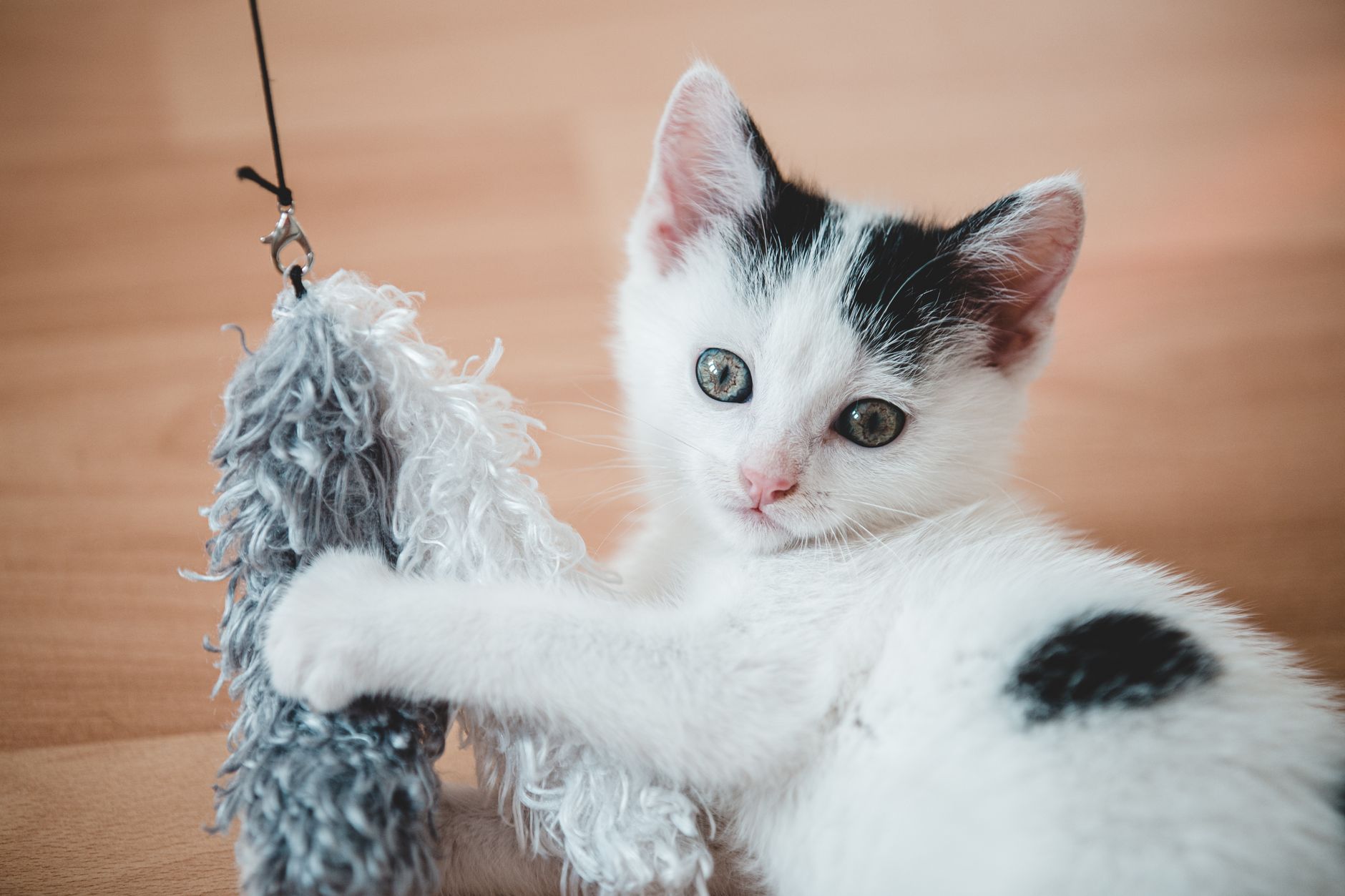
* Wand Toys: These are fantastic for simulating hunting. Mimic prey movements – darting, hiding, pouncing. Allow your cat to "catch" the toy periodically to build their confidence and satisfy their hunting drive. Rotate wand toys to keep interest high.
* Laser Pointers (with caution): Laser pointers can be highly engaging, but always end a session by directing the laser onto a physical toy or treat that the cat can "catch" to prevent frustration from never truly capturing their "prey."
* Feather Toys & Crinkle Balls: Simple yet effective, these appeal to a cat's instinct to chase and bat.
* Automated Toys: Some toys move on their own, offering stimulation when you're busy. Look for ones that mimic erratic prey movement.
Puzzle Feeders & Treat Dispensers
These turn mealtime into a mental challenge, slowing down eating and engaging their problem-solving skills.
* DIY Options: You can create simple puzzle feeders from toilet paper rolls or plastic bottles with holes.
* Commercial Puzzle Feeders: Available in various difficulty levels, these require cats to manipulate objects to release kibble or treats. This is excellent for mental stimulation and can help with weight management.
Vertical Space & Climbing Opportunities
Cats feel safe and secure when they can observe their surroundings from a height. Providing vertical spaces taps into their natural instinct to climb and survey their territory.
* Cat Trees & Condos: Invest in a sturdy cat tree with multiple levels, scratching posts, and cubbies. Place it in a central area or near a window.
* Wall-Mounted Shelves: Create a "cat highway" using wall-mounted shelves, allowing your cat to navigate different heights. Ensure they are securely fastened.
* Furniture Access: Allow access to tops of bookshelves or cabinets if safe and stable.
Window Perches & "Cat TV"
A window perch can provide hours of entertainment as your cat watches birds, squirrels, and passersby. It's their personal "cat TV."
* Bird Feeders: Place a bird feeder outside a window your cat frequents. The natural spectacle will provide endless fascination.
* Secure Perches: Ensure window perches are comfortable, stable, and large enough for your cat to recline.
DIY & Budget-Friendly Entertainment
You don't need expensive gadgets to keep your cat happy. Many simple household items can become cherished toys.
Homemade Toys
* Cardboard Tubes: Toilet paper or paper towel rolls can be batted around or stuffed with treats.
* Crinkled Paper Balls: A crumpled piece of paper or aluminum foil can be surprisingly captivating.
* Bottle Caps: Clean plastic bottle caps can be batted and chased.
* Yarn Balls (with caution): While attractive, yarn can be ingested and cause intestinal blockages. Always supervise play with string or yarn, and never leave it accessible. Consider safer alternatives like felt balls.
* Hair Ties (with caution): Similar to yarn, hair ties are a common cause of foreign body ingestion. Store them safely out of reach.
Cardboard Box Adventures
Never underestimate the power of a simple cardboard box! Cats love to hide, pounce, and explore new spaces.
* Mazes: Connect several boxes to create a multi-room maze.
* Hide-and-Seek: Cut holes in boxes for entry/exit points and place treats inside.
* Scratching Posts: Line the bottom with a scratching pad.
Rotate boxes regularly to keep them fresh and interesting.
Harness Training for Outdoor Exploration (Controlled)
For some cats, a supervised outdoor experience can be incredibly enriching. Harness training allows them to safely explore the sights, sounds, and smells of the outside world without the risks of free-roaming.
* Start Slowly: Introduce the harness indoors for short periods, associating it with positive experiences (treats, praise).
* Gradual Exposure: Begin with short walks in a quiet, secure area, gradually increasing duration and exposure to new environments.
* Safety First: Always use a well-fitting harness (not just a collar) and a secure leash. Never force your cat if they show distress.
Multi-Cat Households & Socialization
If you have more than one cat, managing their interactions and ensuring each receives adequate stimulation is crucial.
Managing Play Between Cats
* Individual Playtime: Ensure each cat gets one-on-one attention and playtime, especially if one is more dominant or shy.
* Supervised Group Play: Observe their interactions. Some cats enjoy playing together, while others prefer solo activities. Provide enough toys and space to prevent competition.
* Separate Resources: Have multiple food bowls, water dishes, litter boxes (N+1 rule: number of cats + 1), and sleeping spots to minimize conflict.
Providing Individual Space
Even in multi-cat homes, every cat needs their own sanctuary – a quiet spot where they can retreat and feel safe. This could be a cat tree cubby, a secluded bed, or a high shelf.

The Role of Routine and Observation
Cats thrive on routine. A predictable schedule provides security and helps them anticipate positive events like mealtime and playtime.
Establishing Play Schedules
Try to schedule interactive play sessions around the same time each day. Cats often have bursts of energy in the morning and evening, which are ideal times for play. Consistency helps integrate play into their daily rhythm.
Recognizing Signs of Boredom or Stress
Pay close attention to your cat's behavior. Signs of boredom or stress can include:
* Excessive sleeping or lethargy
* Over-grooming (leading to bald patches or skin irritation)
* Loss of appetite or overeating
* Changes in litter box habits (e.g., urinating outside the box)
* Aggression towards people or other pets
* Excessive vocalization (meowing, howling)
* Destructive scratching or chewing
If you notice persistent behavioral changes, consult your veterinarian to rule out underlying medical conditions.
Conclusion
Keeping your indoor cat entertained and stimulated is an ongoing commitment, but it's one of the most rewarding aspects of pet ownership. By understanding their natural instincts and providing a rich, engaging environment, you're not just preventing boredom; you're fostering a healthier, happier, and more confident feline companion. Remember to rotate toys, introduce new challenges, and most importantly, dedicate time to interact with your cat. Your efforts will be repaid with purrs, headbutts, and a truly contented cat.