# Puppy's First Year: Your Ultimate Guide to Care & Training
Congratulations on welcoming a new puppy into your home! The first year of a puppy's life is a period of immense growth, learning, and bonding. It's also a time that lays the foundation for their health, behavior, and temperament as an adult dog. As a veterinarian and pet care expert, I'm here to guide you through this exciting yet crucial journey, providing practical, actionable advice to help your furry friend thrive.
From their very first vet visit to mastering potty training and understanding the importance of socialization, we'll cover all the essentials. Raising a puppy is a significant commitment, but with the right knowledge and a lot of love, you'll build an unbreakable bond and ensure your puppy grows into a happy, well-adjusted companion.
Essential Health & Veterinary Care
One of your top priorities as a new puppy parent is establishing a strong health foundation. This begins with regular veterinary care and preventative measures.
First Vet Visit & Vaccinations
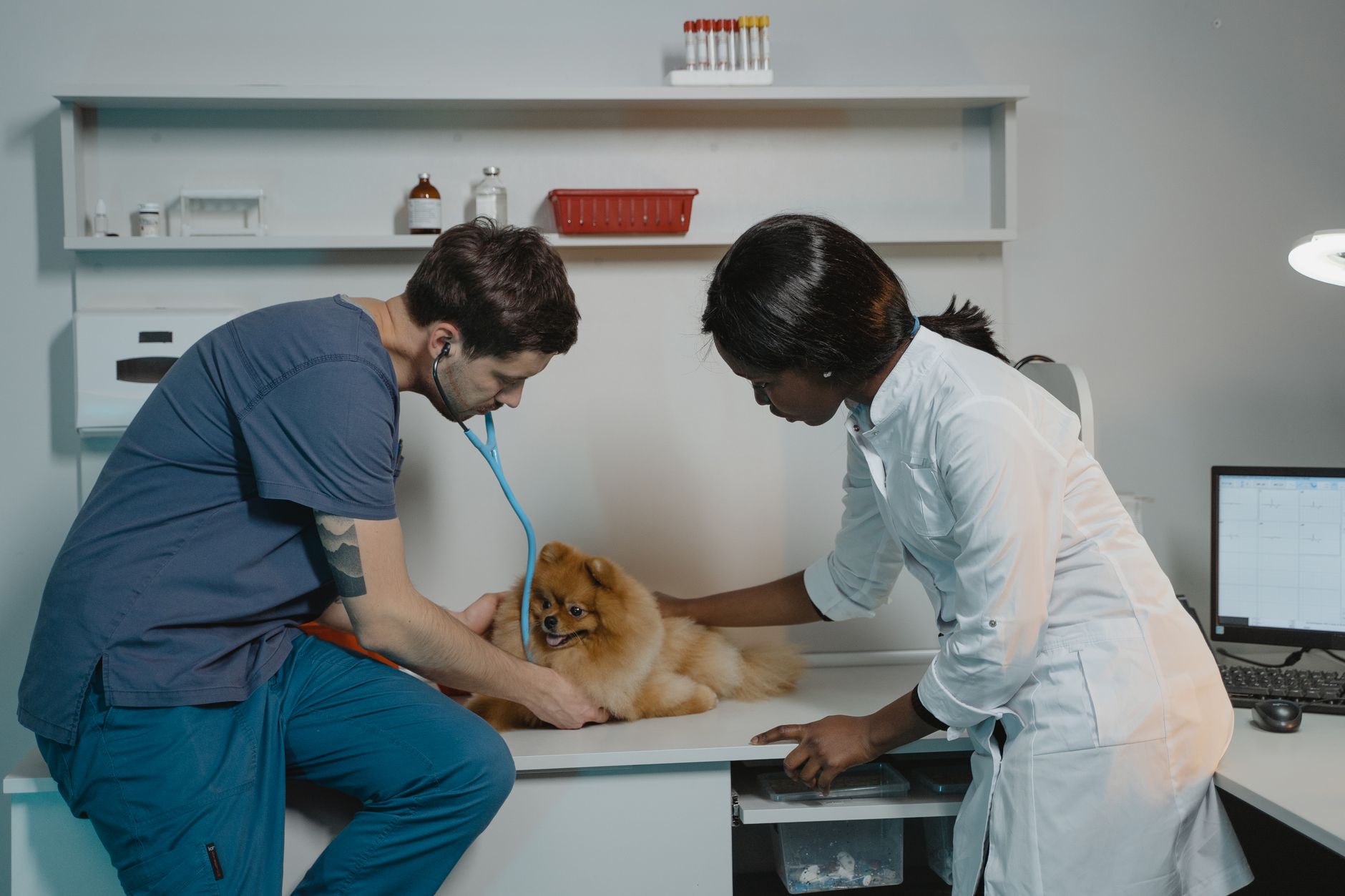
Schedule your puppy's first vet visit as soon as possible after bringing them home. Your veterinarian will perform a thorough physical examination, check for any congenital issues, and discuss a vaccination schedule tailored to your puppy's age and lifestyle. Core vaccines typically include Distemper, Adenovirus (Hepatitis), Parvovirus, and Rabies. Depending on your region and your puppy's exposure risk, non-core vaccines like Leptospirosis, Bordetella (kennel cough), and Canine Influenza might also be recommended.
Your vet will also initiate a deworming protocol, as most puppies are born with or acquire intestinal parasites. Regular deworming is crucial for their health and can prevent transmission to humans. Additionally, they'll advise on year-round flea, tick, and heartworm prevention, which are vital for protecting your puppy from common and potentially serious parasitic diseases.
Spaying/Neutering
Discuss spaying or neutering with your veterinarian. These procedures offer numerous health and behavioral benefits, including preventing unwanted litters, reducing the risk of certain cancers (e.g., mammary tumors in females, testicular cancer in males), and curbing undesirable behaviors like roaming and marking. The optimal timing for these surgeries can vary based on breed and individual development, so follow your vet's recommendation.
Microchipping
Microchipping is a quick, safe, and inexpensive procedure that vastly increases the chances of being reunited with your puppy if they ever get lost. It's a permanent form of identification and a responsible step for every pet owner.
Common Puppy Ailments
Puppies are curious and sometimes fragile. Be aware of common puppy ailments such as diarrhea (which can be caused by diet changes, stress, or parasites), vomiting, lethargy, coughing, or limping. Any persistent or severe symptoms warrant an immediate call to your veterinarian. Early intervention can make a significant difference in your puppy's recovery.
Nutrition for Growing Pups
Proper nutrition is paramount for a puppy's rapid growth and development. The right food provides the energy and nutrients needed for strong bones, healthy organs, and a robust immune system.
Choosing the Right Food
Always choose a high-quality commercial puppy food formulated for your puppy's specific age and expected adult size (small, medium, large, or giant breed). Puppy foods are calorie-dense and contain the appropriate balance of protein, fats, vitamins, and minerals essential for growth. Avoid feeding adult dog food, as it won't meet their unique nutritional demands.
Feeding Schedule & Portion Control
Puppies typically need to eat 3-4 times a day until about 6 months old, then transition to 2 meals daily. Follow the feeding guidelines on the food packaging, adjusting as needed based on your puppy's activity level and body condition. Overfeeding can lead to obesity and skeletal problems, especially in large breeds. Your vet can help you determine the ideal portion size.
Hydration
Always provide fresh, clean water in a clean bowl. Hydration is crucial for all bodily functions, and puppies can dehydrate quickly.
Treats
Treats are excellent for training but should be given in moderation. Choose healthy, puppy-appropriate treats and ensure they don't make up more than 10% of your puppy's daily caloric intake. Always avoid human foods that are toxic to dogs, such as chocolate, grapes, onions, and xylitol.

Training & Socialization: Building a Well-Behaved Companion
The first year is the most critical period for training and socialization. What your puppy learns now will shape their behavior for life.
Potty Training
Consistency is key! Take your puppy out frequently: first thing in the morning, after waking from naps, after meals, before bedtime, and every 1-2 hours in between. Praise and reward them immediately when they go outside. Accidents will happen – never punish your puppy for them; simply clean them up thoroughly with an enzymatic cleaner.
Crate Training
Crate training, when done correctly, provides a safe, comfortable den for your puppy and can be an invaluable tool for potty training, managing destructive behaviors, and creating a secure space. Introduce the crate gradually with positive reinforcement, making it a positive experience.
Basic Obedience
Start basic obedience training early. Commands like "sit," "stay," "come," and "down" are not only impressive but also vital for safety and control. Use positive reinforcement methods, short training sessions, and be patient. Leash training should also begin early, gradually introducing the collar and leash in a positive manner.
Socialization
The socialization window (roughly 3-16 weeks) is critical. Safely expose your puppy to a variety of sights, sounds, smells, people, and other vaccinated, friendly dogs. Enroll in a puppy class for structured socialization and basic training. Positive experiences during this time will help your puppy grow into a confident, friendly, and well-adjusted adult dog.
Managing Nipping & Chewing
Puppies explore the world with their mouths. Provide plenty of appropriate chew toys to redirect nipping and chewing behaviors. If they bite too hard, yelp loudly and withdraw attention for a few seconds. Consistency is vital to teach bite inhibition.
Grooming & Hygiene: Keeping Your Pup Pristine
Regular grooming is not just about aesthetics; it's essential for your puppy's health and comfort. Starting early helps them get accustomed to the routine.
Bathing
Bathe your puppy only when necessary, using a puppy-specific shampoo to avoid irritating their delicate skin. Over-bathing can strip natural oils. Ensure the water is lukewarm and dry them thoroughly to prevent chilling.
Brushing
Brush your puppy's coat regularly, even if they have short hair. This helps remove loose fur, prevents mats, distributes natural oils, and allows you to check for any skin issues, parasites, or lumps. It's also a great bonding activity.
Nail Trims
Untrimmed nails can cause discomfort, pain, and even lead to paw problems. Start nail trims early and make them a positive experience with treats and praise. If you're unsure how, ask your vet or groomer for a demonstration.
Ear Cleaning
Check your puppy's ears regularly for redness, odor, or excessive wax, which could indicate an infection. Clean them gently with a vet-approved ear cleaner, only cleaning the parts you can see.
Dental Care
Good dental hygiene starts young. Introduce a puppy toothbrush and dog-specific toothpaste early. Regular brushing helps prevent plaque and tartar buildup, which can lead to serious dental disease later in life. Dental chews can also be beneficial, but don't replace brushing.

Exercise & Mental Stimulation: A Happy, Tired Puppy
Puppies have boundless energy, and channeling it constructively is crucial. A well-exercised and mentally stimulated puppy is a well-behaved puppy.
Age-Appropriate Exercise
Avoid over-exercising young puppies, as their bones and joints are still developing. Short, frequent play sessions are better than long, strenuous activities. Follow the