As a veterinarian, one of the most common questions I get from new pet parents is, "Should I spay or neuter my pet?" It is a decision that comes with a mix of anxiety, curiosity, and a deep desire to do what is best for your furry family member. Spaying and neutering are routine surgical procedures, yet they represent a significant milestone in your pet's life.
In this comprehensive guide, we will explore the undeniable benefits of these procedures, debunk the most persistent myths, and walk you through exactly what to expect before, during, and after surgery. My goal is to empower you with the knowledge you need to make an informed, confident decision for your pet's long-term health and happiness.
What Are Spaying and Neutering?
Before diving into the benefits, let's clarify what these procedures actually entail. Both are surgical interventions performed under general anesthesia by a licensed veterinarian.
* Spaying (Ovariohysterectomy): This is the surgical removal of the ovaries and uterus in female pets. It eliminates their heat cycles and prevents pregnancy.
* Neutering (Orchiectomy): This is the surgical removal of the testes in male pets. It removes their source of testosterone and prevents them from reproducing.
These surgeries are performed thousands of times a day across the globe and are considered highly safe, routine procedures.

The Lifesaving Benefits of Spaying and Neutering
The decision to sterilize your pet goes far beyond preventing unplanned litters. It has profound impacts on their health, behavior, and lifespan.
Health Benefits for Female Pets
Spaying your female dog or cat before her first heat cycle offers significant protection against serious health issues.
* Prevents Pyometra: This is a life-threatening uterine infection that affects up to 25% of unspayed female dogs before they reach 10 years of age. Pyometra requires emergency, high-risk surgery. Spaying eliminates this risk entirely.
* Reduces Mammary Cancer: Mammary tumors are highly common in unspayed pets. If you spay your female pet before her first heat, her risk of developing mammary cancer drops to less than 0.5%.
Health Benefits for Male Pets
Neutering your male pet provides protective health benefits that can extend his lifespan.
* Eliminates Testicular Cancer: By removing the testes, the risk of testicular cancer is completely eliminated.
* Reduces Prostate Problems: As unneutered male dogs age, their prostate glands naturally enlarge, leading to difficulty urinating or defecating. Neutering significantly reduces the risk of prostate infections and enlargement (benign prostatic hyperplasia).
Behavioral Benefits
Hormones drive many undesirable behaviors. By spaying or neutering, you can curb these actions before they become ingrained habits.
* Reduces Roaming: Intact males will go to extreme lengths to find a mate, including escaping yards and running into traffic. Neutering keeps them content to stay at home.
* Decreases Urine Marking: Both male and female pets use urine to mark their territory when driven by hormones. Neutering or spaying early reduces or eliminates this frustrating behavior.
* Mitigates Aggression: While it is not a cure-all for behavioral issues, neutering can reduce hormone-driven aggression and mounting behaviors in male dogs.
Environmental and Community Benefits
Every year, millions of cats and dogs enter animal shelters worldwide. Sadly, many are euthanized due to a lack of adoptive homes. By spaying and neutering your pets, you prevent accidental litters and directly help reduce the pet overpopulation crisis.
Common Myths vs. Facts About the Procedure
Despite the clear veterinary consensus on the benefits of spaying and neutering, several myths continue to circulate among pet owners. Let's set the record straight.
Myth 1: "It will make my pet lazy and overweight."
The Fact: Spaying or neutering does slightly alter your pet's metabolism, requiring slightly fewer daily calories. However, pets do not become overweight because of the surgery itself; they gain weight from overfeeding and lack of exercise. By adjusting their portion sizes and keeping them active, you can easily maintain their ideal weight.
Myth 2: "My female pet should have one litter before being spayed."
The Fact: There is zero medical evidence supporting the idea that letting a pet have a litter makes them healthier or more emotionally fulfilled. In fact, pregnancy and birth carry significant health risks for the mother. Spaying before the first heat cycle offers the absolute best medical protection against mammary cancer.
Myth 3: "Neutering will change my pet's unique personality."
The Fact: Your pet's fundamental personality is shaped by genetics, environment, and training—not their reproductive hormones. While neutering may reduce hormone-driven behaviors like roaming, mounting, or marking, it will not change their playfulness, intelligence, or affection toward you.
What to Expect: Before, During, and After Surgery
Understanding what happens on the day of surgery and during the recovery period can significantly ease your anxiety. Here is a step-by-step breakdown of what to expect.
Preparing for the Surgery
Your veterinarian will provide specific instructions for the night before surgery. Generally, you will need to withhold food after midnight to ensure your pet's stomach is empty during anesthesia. Water is usually fine until the morning of the procedure.
When you arrive at the clinic, the veterinary team will perform a pre-operative physical exam. I highly recommend opting for pre-anesthetic bloodwork. This simple test checks your pet's kidney and liver function, ensuring their organs can safely process the anesthetic drugs.
The Day of the Procedure
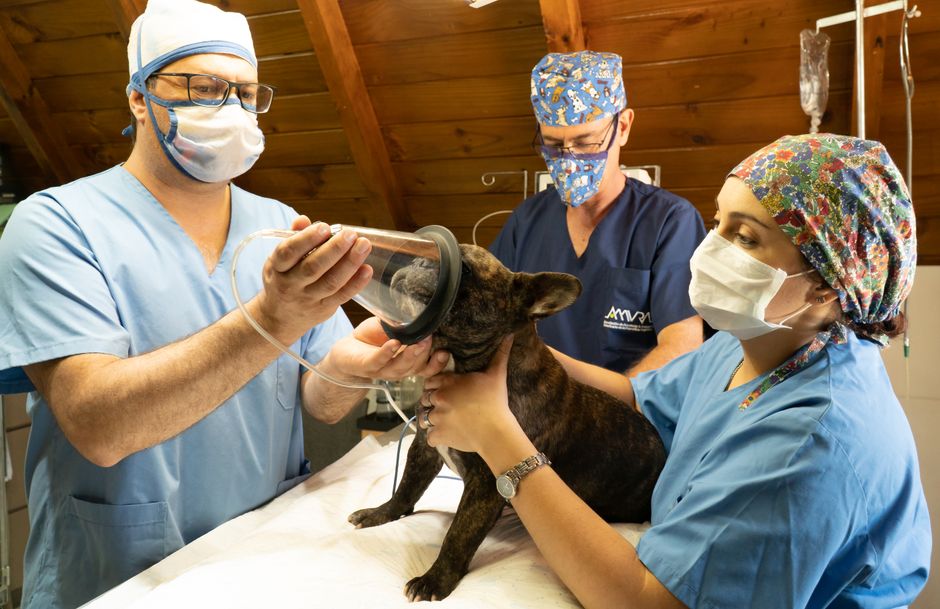
Once cleared for surgery, your pet will receive a sedative to help them relax, followed by general anesthesia. Throughout the procedure, a veterinary technician will monitor their heart rate, blood pressure, oxygen saturation, and body temperature.
The surgery itself is relatively quick. For males, it takes about 10 to 20 minutes. For females, because it is an abdominal surgery, it takes about 30 to 45 minutes. Your pet will wake up in a warm, supervised recovery area where pain medication will be administered. Most pets are able to go home the very same day.
Post-Operative Care and Recovery
The recovery period typically lasts 10 to 14 days. During this time, your main job is to keep your pet calm and comfortable. Here are actionable tips to ensure a smooth recovery:
1. Restrict Activity: No running, jumping, or rough play. Keep your dog on a short leash when going outside to eliminate. Keep cats in a quiet, confined room.
2. Use the Cone (Elizabethan Collar): It may look pitiful, but the cone is essential to prevent your pet from licking or chewing at their incision. Licking introduces bacteria, which can cause infection or open the stitches.
3. Monitor the Incision Daily: Check the surgical site twice a day. A small amount of redness is normal, but contact your vet immediately if you notice excessive swelling, discharge, or open gaps.
4. Keep the Incision Dry: Do not bathe your pet or let them swim until the stitches are removed or fully dissolved (usually 14 days).
5. Administer Pain Medication: Only use medications prescribed by your veterinarian. Never give your pet human pain relievers like ibuprofen or acetaminophen, as these are highly toxic to animals.
When is the Best Time to Spay or Neuter?
The ideal timing for spaying or neutering has evolved in recent years, moving away from a "one-size-fits-all" approach to a more customized plan based on your pet's breed and lifestyle.
* Cats: Most veterinarians recommend spaying or neutering cats by five to six months of age, before they reach sexual maturity and start exhibiting marking behaviors or going into heat.
* Small and Medium Dogs: Six to nine months of age is generally the standard recommendation.
* Large and Giant Breed Dogs: Large breeds (like Golden Retrievers, Great Danes, or German Shepherds) benefit from waiting until they are physically mature—often between 12 to 18 months of age. This allows their growth plates to close fully, reducing the risk of joint disorders later in life.
Always consult with your veterinarian to design a personalized timeline that aligns with your specific pet's needs.
Conclusion
Spaying and neutering are acts of love and responsible pet ownership. By choosing these procedures, you are investing in a longer, healthier, and more peaceful life for your pet, while also playing a vital role in reducing shelter overpopulation.
If your pet is approaching the age for sterilization, schedule a consultation with your veterinarian to discuss the next steps. Together, you can ensure your beloved companion receives the highest standard of care.