Have you ever looked at your dog and wished they could speak? The truth is, they are speaking to you constantly—just not in words. Dogs communicate through a complex, nuanced system of physical signals. Understanding dog body language is one of the most powerful skills you can develop as a pet parent. It not only strengthens the bond you share with your canine companion but also helps you prevent behavioral issues, manage stress, and ensure their physical and emotional well-being.
Too often, we misinterpret what our dogs are trying to tell us. We might assume a wagging tail always means joy, or that a yawn only indicates tiredness. In this guide, we will break down the subtle language of dogs from head to tail, giving you the veterinary-backed insights you need to truly understand your best friend.
The Whole-Body Approach to Dog Communication
When attempting to read your dog's signals, the golden rule is to look at the entire picture. Just as you wouldn't judge a book by reading a single sentence, you shouldn't judge a dog's emotional state by looking at a single body part.
A dog's posture, facial expressions, and physiological responses must all be read in context. For example, a dog with a low, slow tail wag could be relaxed, or they could be highly anxious, depending on the stiffness of their body and the positioning of their ears. Always assess the environment, the situation, and the dog's baseline behavior.
Reading the Tail: It's Not Just About Happiness
One of the most common myths in pet ownership is that a wagging tail always equals a happy dog. In reality, a wagging tail simply indicates emotional arousal or excitement. That excitement can be positive (joy) or negative (fear, frustration, or aggression).
The Happy Wag vs. The Tense Wag
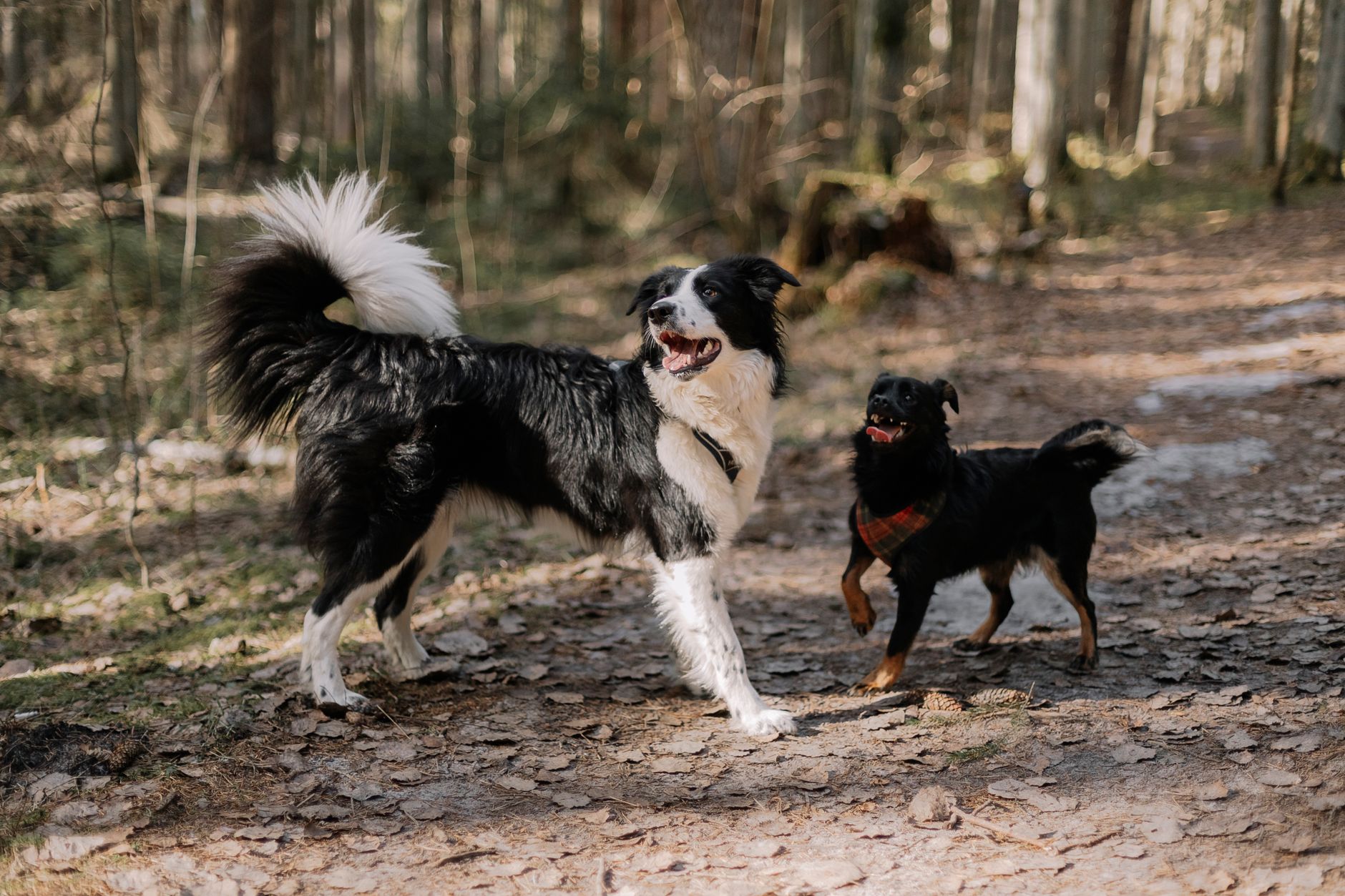
To distinguish between a happy and an anxious wag, look at the speed and fluidity. A relaxed, happy dog typically displays a loose, full-body wag where the tail sweeps in wide, gentle arcs. Sometimes, their entire rear end wiggles along with the tail.
Conversely, a tense, fast, vibrating wag—often referred to as a "flagging" tail—indicates high arousal and potential defensiveness. If the tail is held high and stiff while moving rapidly, the dog is highly alert and may react defensively if approached.
Tail Position and Height
The height at which a dog carries their tail is a clear indicator of their confidence level:
* High/Over the Back: Signifies confidence, assertiveness, or arousal.
* Horizontal/Neutral: Represents a relaxed, neutral state (varying slightly by breed, as some breeds like Greyhounds naturally carry their tails low).
* Low/Tucked: Indicates fear, anxiety, submission, or uncertainty. A tail tucked tightly between the hind legs is a clear sign that a dog feels threatened.
Deciphering Facial Expressions and Ears
A dog's face is incredibly expressive. By paying close attention to their eyes, mouth, and ears, you can gather immediate clues about their comfort level.
What the Eyes Reveal
"Soft eyes"—where the eyelids are relaxed and the dog looks gently at you—indicate comfort and safety. However, keep an eye out for these stress signals:
* Whale Eye: This occurs when a dog turns their head slightly away but keeps their eyes locked on a potential threat, revealing the whites of their eyes. This is a classic sign of anxiety, resource guarding, or fear.
* Hard Stare: A intense, unblinking glare is a warning sign. It often precedes defensive behavior and suggests the dog is assessing a threat.
Ear Positions: Neutral, Alert, and Pinned Back
Like tails, ear carriage varies by breed, but the general principles remain the same:
* Neutral: Relaxed, naturally resting ears indicate contentment.
* Forward/Alert: Ears pointed forward or upward show curiosity, focus, or high arousal.
* Pinned Back: Ears pulled flat against the skull indicate fear, anxiety, or submission.
Decoding Posture and Body Tension
A dog's overall posture tells us how they view themselves in relation to their environment. Are they trying to make themselves look bigger, smaller, or are they completely at ease?
The Play Bow vs. Stiff Freeze
Most dog owners are familiar with the "play bow," where a dog lowers their front elbows to the ground while keeping their rear end in the air. This is a universal invitation to play, signaling that any subsequent rough behavior is just a game.
On the opposite end of the spectrum is the "stiff freeze." If a dog suddenly goes completely rigid, it is a critical warning sign. This freezing is often the final warning before a dog growls, snaps, or bites. If you notice a dog freeze, immediately stop what you are doing and give them space.
Displacement Behaviors
Sometimes, dogs perform normal behaviors out of context to self-soothe when they are feeling stressed. These are called displacement behaviors:
* Lip Licking: A quick flick of the tongue over the nose when food is not present.
* Yawning: A deep yawn when the dog is not actually tired.
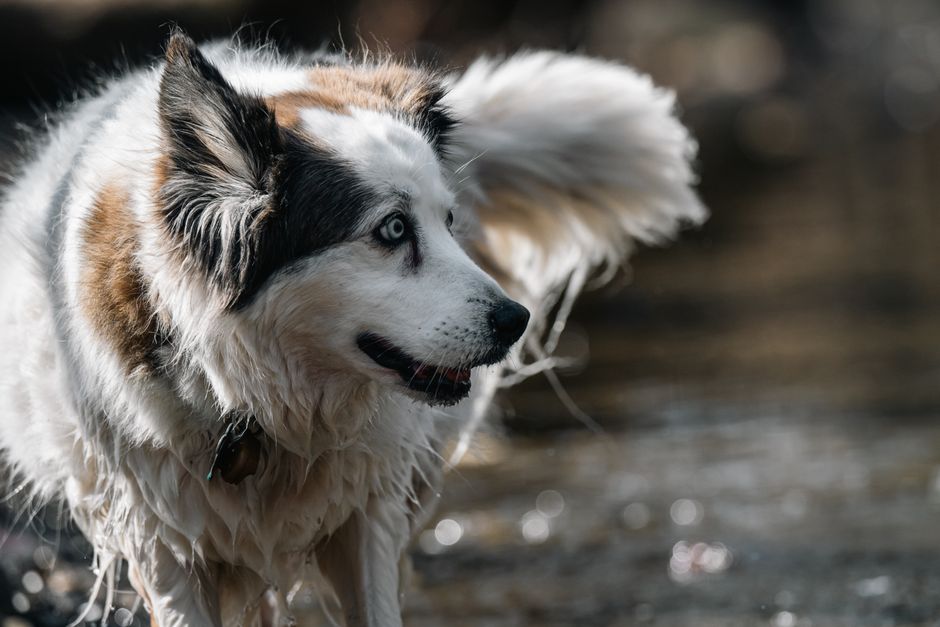
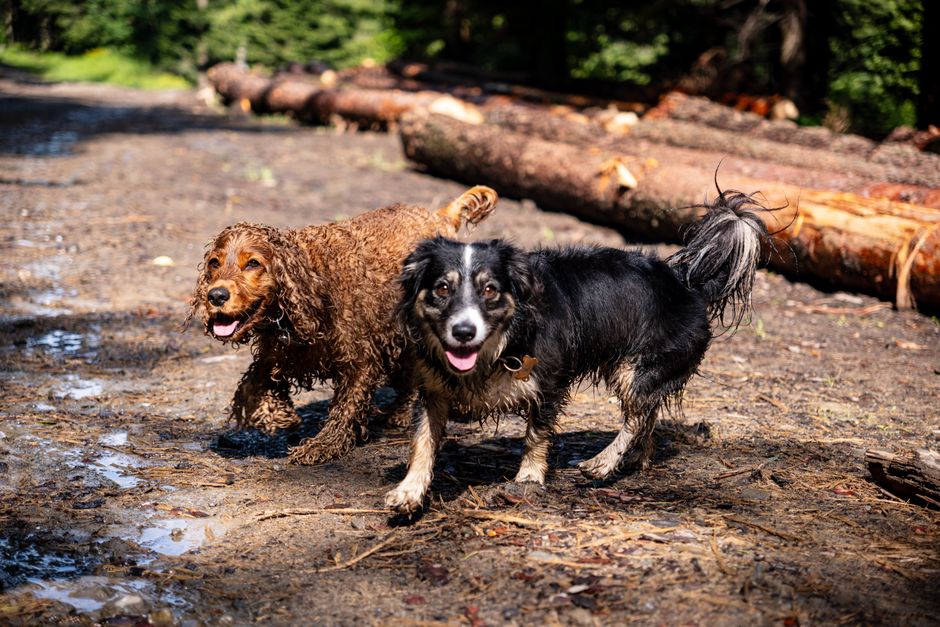
* Shaking Off: Shaking their body as if wet, which dogs often do to "shake off" adrenaline and stress after a tense encounter.
Recognizing Signs of Stress and Anxiety
As a veterinarian, I frequently see dogs in the clinic who are highly anxious, yet their owners are unaware of the subtle signs. Recognizing early stress signals allows you to intervene before your dog reaches a state of panic.
In addition to the displacement behaviors mentioned above, watch for:
* Panting: Heavy panting when it is not hot and the dog has not exercised.
* Pacing: Inability to settle down, walking back and forth.
* Slinking/Cowering: Lowering the body close to the ground to appear smaller.
* Avoiding Eye Contact: Purposely turning the head away from you or another stimulus.
If you observe these signs, it is your cue to remove your dog from the stressful situation or gently redirect their attention to a safe space.
Put It Into Practice: How to Respond to Your Dog
Now that you know how to read the signs, how should you apply this knowledge in daily life? Here are a few practical steps you can take immediately:
1. Respect Their Boundaries: If your dog displays whale eye, lip licking, or pinned ears when you hug them, respect their signal. Most dogs do not actually enjoy tight hugs; they prefer gentle chest scratches.
2. Advocate for Your Dog: If you are out on a walk and your dog’s body goes stiff as another dog approaches, advocate for them. Politely tell the other owner, "We need some space today," and walk in the other direction.
3. De-escalate Situations: If you notice your dog shaking off after a vet visit or a loud thunderstorm, give them a quiet environment to decompress. Avoid forcing them to interact until they have fully calmed down.
Conclusion: The Path to a Happier Partnership
Learning to read dog body language takes time, observation, and patience. By paying close attention to the subtle shifts in your dog's ears, eyes, tail, and posture, you will begin to unlock a whole new level of communication.
This deeper understanding fosters trust. When your dog realizes that you understand their subtle whispers, they won't feel the need to shout (by growling or biting) to make themselves heard. Start observing your dog today during mealtime, play, and rest—you will be amazed at what they have been trying to tell you all along!